
How Home Care Helps Seniors Stay Independent Supporting Safety, Dignity, and Quality of Life at Home

Discover how home care helps seniors stay independent, safe, and comfortable in their own homes. Learn the benefits of professional home care services from Chilliwack and Abbotsford all the way to Hope, B.C.
How Home Care Helps Seniors Stay Independent
One of the greatest concerns many seniors have as they age is losing their independence. For many older adults, remaining in their own home represents freedom, comfort, familiarity, and dignity. Fortunately, home care services can provide the support seniors need while allowing them to maintain control over their daily lives.
At Modern Day Home Health Care Ltd., we believe that aging should not automatically mean giving up independence. Professional home care services can help seniors continue living safely and comfortably in the place they know best—their own home.
In this article, we'll explore how home care promotes independence, improves quality of life, and provides peace of mind for both seniors and their families.
What Does Independence Mean for Seniors?
Independence means different things to different people. For many seniors, independence includes:
Living in their own home
Making their own decisions
Maintaining daily routines
Staying connected to family and friends
Participating in hobbies and activities
Managing personal care with dignity
Maintaining a sense of purpose
As physical or cognitive challenges develop, independence may become more difficult. However, needing assistance does not mean giving up control over one's life.
Home care is designed to provide support while encouraging seniors to remain as independent as possible.
Home Care Supports Aging in Place
The term "aging in place" refers to the ability to remain safely in one's home as they grow older.
Studies consistently show that most seniors prefer to age in place rather than move to a long-term care facility or assisted living residence.
Home care makes aging in place possible by providing personalized assistance tailored to each individual's needs.
Services may include:
Personal care assistance
Meal preparation
Medication reminders
Transportation
Light housekeeping
Companion care
Dementia support
Nursing services
By addressing daily challenges, home care allows seniors to continue living in familiar surroundings while receiving the support they need.
Maintaining Daily Routines
Routine provides comfort, structure, and confidence.
Moving into a facility often requires seniors to adjust to new schedules and unfamiliar environments. Home care allows individuals to maintain the routines they have built over a lifetime.
Examples include:
Waking up at preferred times
Choosing meals they enjoy
Participating in hobbies
Attending community events
Maintaining religious practices
Spending time with pets
Maintaining familiar routines can significantly improve emotional well-being and overall quality of life.
Promoting Safety Without Sacrificing Freedom
Safety concerns are one of the most common reasons families consider care services.
Many seniors experience:
Increased fall risk
Mobility challenges
Medication management difficulties
Memory concerns
Chronic health conditions
Rather than removing independence, home care can enhance it by reducing risks that might otherwise force a move into residential care.
Caregivers can assist with:
Fall prevention
Safe transfers and mobility
Medication reminders
Monitoring changes in health
Emergency preparedness
Home safety assessments
With the right support, seniors can continue enjoying their independence while remaining safe.
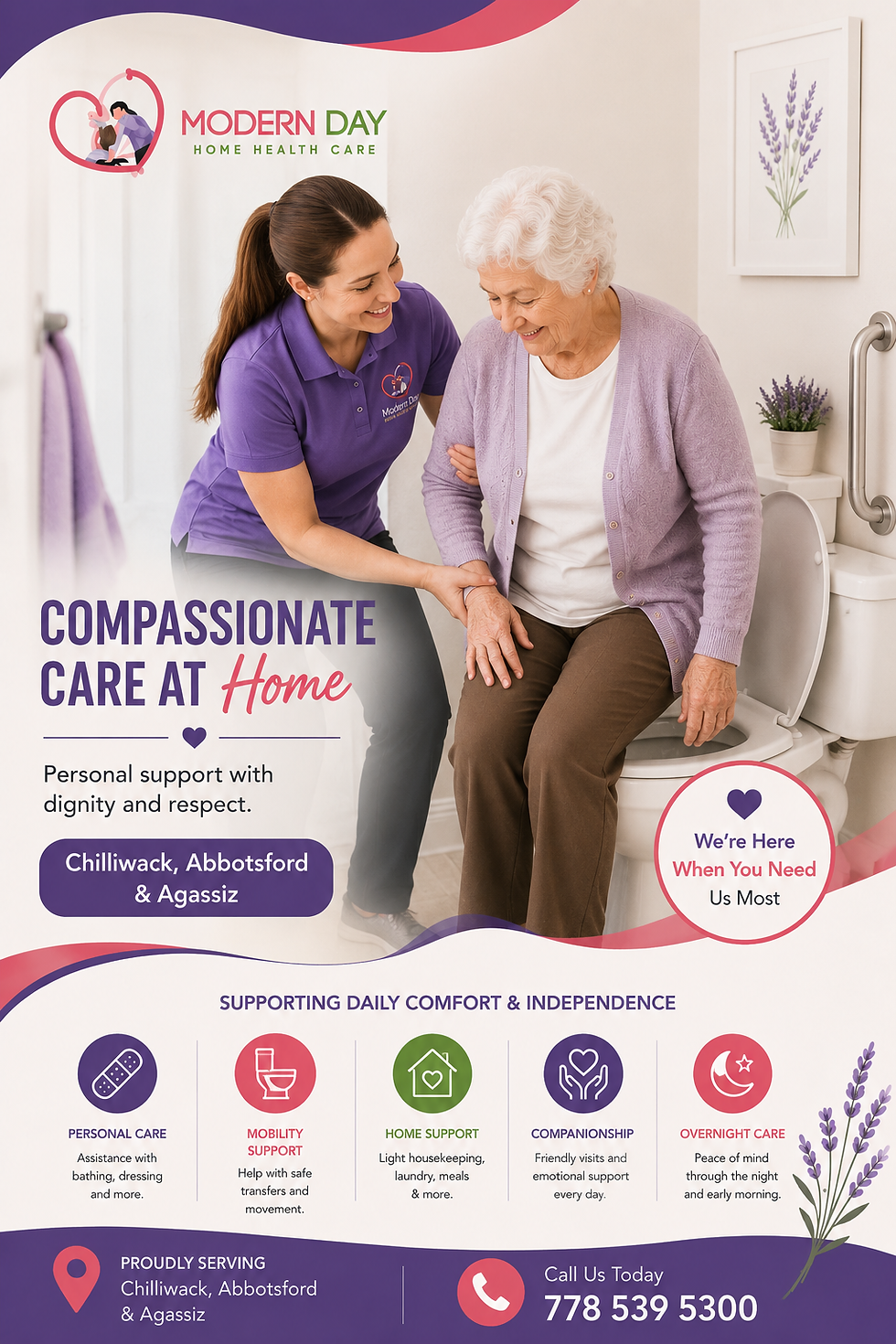
Assistance With Personal Care
Personal care tasks can become more difficult with age, illness, or injury.
Home care professionals can assist with:
Bathing
Dressing
Grooming
Toileting
Hygiene routines
Mobility assistance
Importantly, professional caregivers are trained to provide support respectfully and compassionately, helping seniors maintain dignity while receiving assistance.
Often, even a small amount of help can allow someone to remain safely at home for many years.
Encouraging Physical Activity and Mobility
Maintaining mobility is one of the most important factors in preserving independence.
Regular movement can help seniors:
Reduce fall risk
Maintain strength
Improve balance
Support cardiovascular health
Preserve confidence
Home care providers can encourage safe activity by:
Assisting with walks
Supporting prescribed exercises
Providing mobility assistance
Monitoring for safety concerns
Remaining active helps seniors continue participating in daily life and community activities.
Reducing Social Isolation and Loneliness
Loneliness is a significant concern among older adults and can negatively affect both physical and mental health.
Companion care services help seniors stay socially engaged through:
Meaningful conversation
Shared activities
Community outings
Games and hobbies
Accompaniment to appointments
Social connection supports emotional well-being and helps seniors maintain a positive outlook on life.
Supporting Nutrition and Healthy Living
Good nutrition plays a critical role in maintaining independence.
However, many seniors experience challenges such as:
Difficulty shopping
Limited energy for cooking
Reduced appetite
Mobility issues
Home care can help with:
Grocery shopping
Meal planning
Meal preparation
Hydration reminders
Nutritional support
Proper nutrition helps seniors maintain strength, energy, and overall health.
Helping Seniors Manage Chronic Conditions
Many older adults live with chronic health conditions such as:
Diabetes
Heart disease
Arthritis
Parkinson's disease
COPD
Dementia
Home care services can support effective disease management through:
Medication reminders
Monitoring symptoms
Coordinating appointments
Encouraging treatment compliance
Providing nursing care when needed
Effective management of chronic conditions often prevents unnecessary hospital visits and supports long-term independence.
Dementia Care That Preserves Independence
For individuals living with dementia, maintaining independence requires specialized support.
Professional caregivers can help by:
Establishing consistent routines
Providing memory cues
Ensuring safety
Offering supervision when necessary
Encouraging participation in daily activities
Many individuals with early-stage dementia can continue living safely at home with the appropriate support system in place.
Giving Families Peace of Mind
Home care benefits not only seniors but also their families.
Family caregivers often experience:
Stress
Exhaustion
Burnout
Anxiety about their loved one's safety
Professional home care provides reassurance that a trained caregiver is helping monitor and support the senior's well-being.
Families gain confidence knowing their loved one is receiving compassionate care while maintaining their independence.
Signs a Senior May Benefit From Home Care
Home care may be beneficial if you notice:
Frequent falls or mobility issues
Difficulty managing medications
Missed appointments
Poor nutrition or weight loss
Increased forgetfulness
Household tasks becoming overwhelming
Social withdrawal
Family caregiver burnout
Seeking support early often helps seniors remain independent longer than waiting until a crisis occurs.
Why More BC Families Are Choosing Home Care
Across British Columbia, families are increasingly turning to home care because it allows seniors to:
Remain in familiar surroundings
Maintain routines and independence
Receive personalized care
Stay connected to their community
Avoid unnecessary facility placement
Enjoy a higher quality of life
Home care offers flexible solutions ranging from a few hours of assistance each week to comprehensive daily support.
Frequently Asked Questions
Can home care help seniors avoid moving into long-term care?
In many cases, yes. Home care can provide the support needed to safely remain at home for much longer than would otherwise be possible.
How many hours of home care does a senior need?
Needs vary widely. Some seniors benefit from a few hours per week, while others require daily or overnight support.
Is home care only for seniors with health problems?
No. Many seniors use home care primarily for companionship, transportation, meal preparation, or assistance with household tasks.
Can home care be customized?
Absolutely. Care plans are tailored to each individual's unique needs, preferences, and goals.
Helping Seniors Live Independently at Home
At Modern Day Home Health Care Ltd., our mission is to help seniors maintain their independence while receiving compassionate, professional support in the comfort of their own homes.
Whether your loved one needs companionship, personal care, dementia support, nursing services, or assistance recovering after a hospital stay, our experienced team is here to help.
We proudly serve families throughout Chilliwack, Abbotsford to Hope, B.C. with personalized home care solutions that promote dignity, safety, and independence.
Contact Modern Day Home Health Care Today
If you're exploring home care options for a loved one, our team can help you determine the right level of support and create a customized care plan that allows them to continue living safely and independently at home. Call today to learn more at 778-539-5300
Modern Day Home Health Care
Compassionate Care. Meaningful Support.


Parkinson’s disease is such a difficult condition, and when my husband was diagnosed, it was heartbreaking for our whole family. Watching someone you love face the challenges of Parkinson’s is never easy, and we wanted to find additional support for him.Our family doctor recommended that we look into NaturePath Clinic, so we decided to learn more about their herbal program. From the beginning, we appreciated the care, kindness, and support we received throughout the process.I’m sharing our experience because I know how difficult it can be to find support when someone you love is living with Parkinson’s. Every family’s experience is different, but we are grateful for the encouragement and support NaturePath Clinic has provided to our family. ❤️
If…